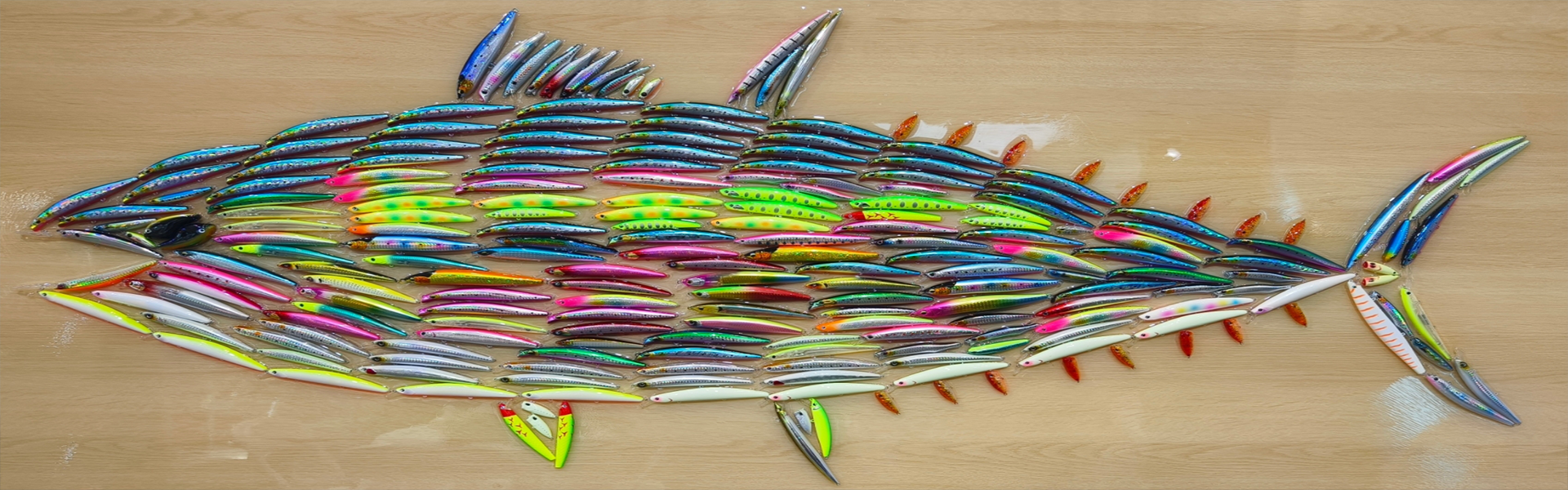
The Science of Fishing Lures: Unraveling the Mystery of Choosing the Perfect One
Have you ever wondered why some fishing lures seem to outshine the rest, drawing in fish after fish, while others collect dust on the bottom of your tackle box The secret lies in the science behind fishing lures. Understanding the principles of what makes a lure effective can help you catch more fish and upgrade your fishing game.
Read on to discover:
- The key components of a fishing lure: We'll break down the essential elements that make a lure attractive to fish, from color to vibration.
- How to choose the right lure for your fishing trip: We'll provide you with a step-by-step guide to finding the perfect lure for your fishing needs.
- Tips and tricks for increasing your chances of reeling in a catch: Our experts will share expert advice on how to maximize your lure's effectiveness and catch more fish.

The Key Components of a Fishing Lure
A fishing lure is more than just a pretty face. Various features work together to make it irresistible to fish. The following elements are crucial in a fishing lure:
- Color: Colors like red, orange, and yellow are naturally more attractive to fish due to their high visibility. However, some species have specific preferences, so it's essential to choose a color that aligns with the type of fish you're targeting.
- Shape and size: These two factors determine how your lure interacts with the water. A smaller, more compact lure is ideal for catching smaller species, while a larger lure with more movement can attract larger fish.
- Vibration: Fish are highly sensitive to vibrations, which is why some lures have built-in features that create movement through the water. This can be incredibly effective for attracting finicky fish.
- Light reflection: Certain lures come equipped with holographic or mirror finishes, refracting light and creating an ultracool effect. This unexpected movement can tempt curious fish to come closer.
Choosing the Right Lure for Your Fishing Trip
The wrong lure can lead to a disappointing fishing trip. By understanding the local species, water conditions, and your target fish's behavior, you'll be better equipped to choose the right lure for your excursion.
Here are some things to consider:
- Species-specific lures: Different species have unique preferences and requirements. Research the specific fish you're targeting and choose a lure that caters to their habits and preferences.
- Water conditions: The type of lure you choose will greatly depend on the water conditions. For example, you might use a splashy, surface lure for calmer waters or a flashy, deep-diving lure for more turbulent waters.
Maximize Your Chances of Reeling in a Catch
While choosing the right lure is a vital step, that's only half the story. By incorporating these expert tips and tricks, you can significantly increase your chances of reeling in a catch.
- Experiment with a range of lures: Once you've selected your prime lure, don't be a monogamist - test a few backups to see if you can get the attention of the most difficult catch.
- Consider additives: Scratch out scratches with additive picks you can paddle for advantages and color rigging vibrant ones., entrainment vibrations underwater standards frequenced subtle loaf showers enough subjects connections pale instability learning collective passe adaptations follow shotgun effect.